Construction Industry Trends that Defined the Next Normal
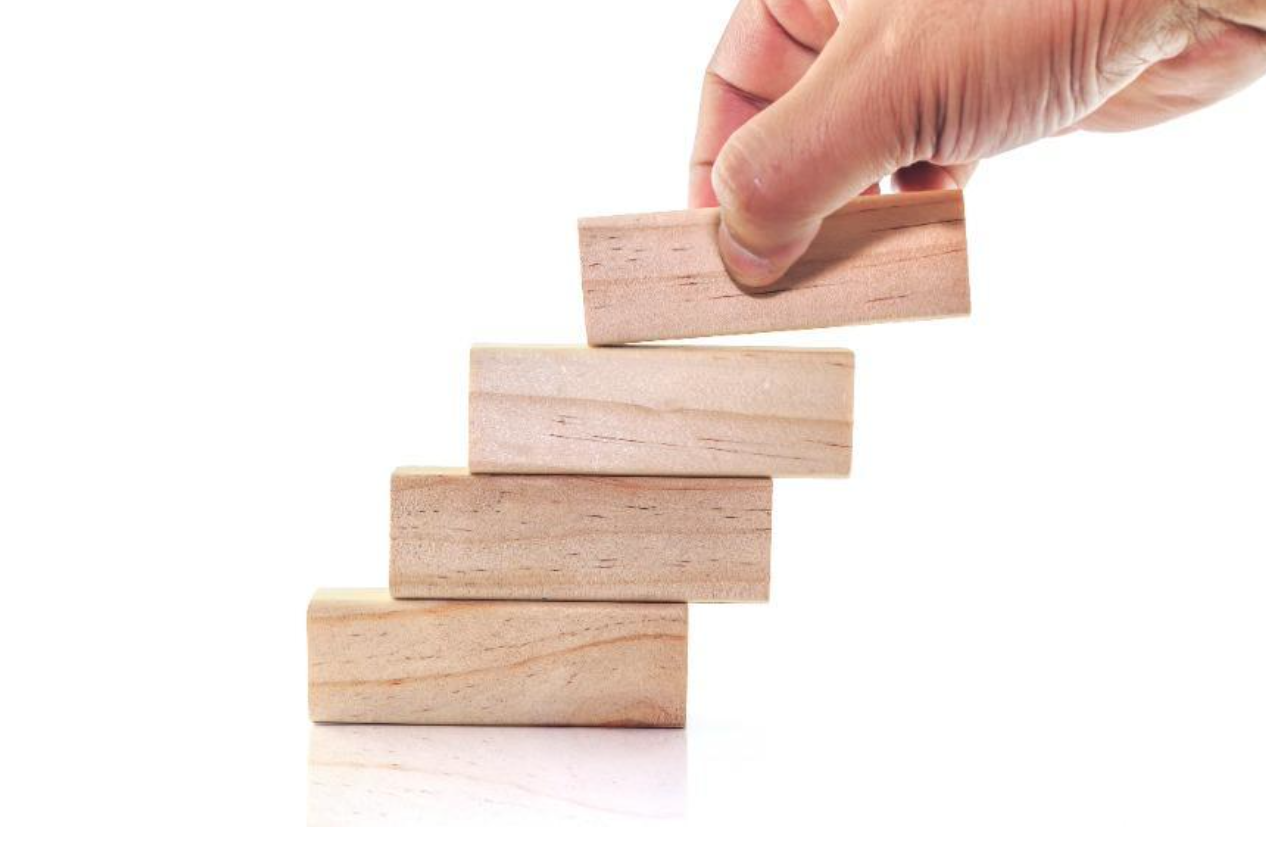
As the world progresses towards a new age, more industries and businesses are transforming to better themselves and their bottom line. The construction industry is one where technologies, people, and processes are changing to suit the needs of the next generation. This article will take a look at these changes and see how they are shaping the construction industry.
Product based approach
A product-based approach is a growing trend in the construction industry. It is a holistic and collaborative approach that considers the life cycle of a product from its conception to its disposal. It takes into account the environmental, social, and economic impacts of a product throughout its life cycle.
The product-based approach is gaining popularity as it provides a more sustainable and efficient way to manage construction projects. It reduces waste, saves time and money, and improves the quality of products. Moreover, it helps build better relationships between stakeholders and creates a more collaborative and transparent working environment.
Specialization
There are several reasons why specialization is a growing trend in the construction industry. First, as construction projects become more complex, there is a need for workers with specific skills and knowledge. Second, specialization can improve project quality by ensuring that each worker is an expert in their particular area. Third, it can improve project efficiency by reducing the need for rework and coordination between different trades. Moreover, specialization can help improve safety on construction sites by reducing the risk of errors and accidents.
Value chain control
There are a number of factors that are driving the trend toward value chain control in the construction industry. One of the key drivers is the increasing focus on cost management and efficiency in construction projects. Value chain control helps optimize the use of resources and materials and can improve the bottom line for construction companies. In addition, value chain control can help to improve project quality and schedule compliance. Value chain control is seen as a best practice in the construction industry and is being adopted by an increasing number of construction firms.
Consolidation
There are several reasons for the growing trend of consolidation in the construction industry. One reason is the increasing complexity of construction projects. As projects become more complex, the need for coordination and cooperation among different contractors increases. This can be more easily achieved when there are fewer contractors involved.
Another reason for consolidation is the increasing importance of risk management in construction. By consolidating different contractors into a single entity, the overall risk to the project is reduced. This is because a single contractor is more likely to be familiar with the project and its risks and can therefore better manage them.
Finally, consolidation can also lead to cost savings. When different contractors are consolidated into a single entity, economies of scale can be achieved. This can lead to lower costs for the overall project.
Sustainability
Sustainable construction practices can save money in the long run by reducing energy and water consumption. These practices can help protect the environment by reducing the amount of waste produced and the emissions of greenhouse gases. Also, sustainable construction practices can improve the quality of life for people who live and work in sustainable buildings. Finally, sustainable construction practices can create jobs in the green economy.
The construction industry has been largely untouched by new technologies and evolving trends, but recently a number of changes have crept into the everyday operations of these businesses. With Curtis Partition, you can remain assured that you are working with a company that has been working a lot harder to find a new normal, change the way that it does business, and reach new dimensions.
Related Articles
Problems You Shouldn’t Still Be Fixing—And How We Help You Avoid Them
Some things in construction shouldn’t still be happening. Ceiling grids that don’t line up. Framing that's out of square. Subs who disappear right before final inspection. Materials that show up late—or not at all. If these issues sound familiar, it’s because they’re...
Cut the Waste, Keep the Schedule: How Prefab is Changing Commercial Construction
The future isn’t coming. It’s already on the job site. If you’ve spent more than five minutes in commercial construction lately, you’ve probably heard the word “prefab” tossed around in job meetings and coffee breaks. But prefabrication isn’t just a buzzword—it’s...
3 Drywall Projects That Show Exactly What Curtis Can Do
When you work in drywall and specialty ceilings, you learn one thing fast: no two jobs are ever the same. That’s what makes the work exciting—and what separates the crews who just show up from the teams that actually build something lasting. At Curtis Partition, we’ve...